Driving in Spain: Rules, Tolls, Parking and Rental Tips
Driving in Spain made practical: speed limits, toll roads, city parking, rental car deposits and road-trip advice for visitors.
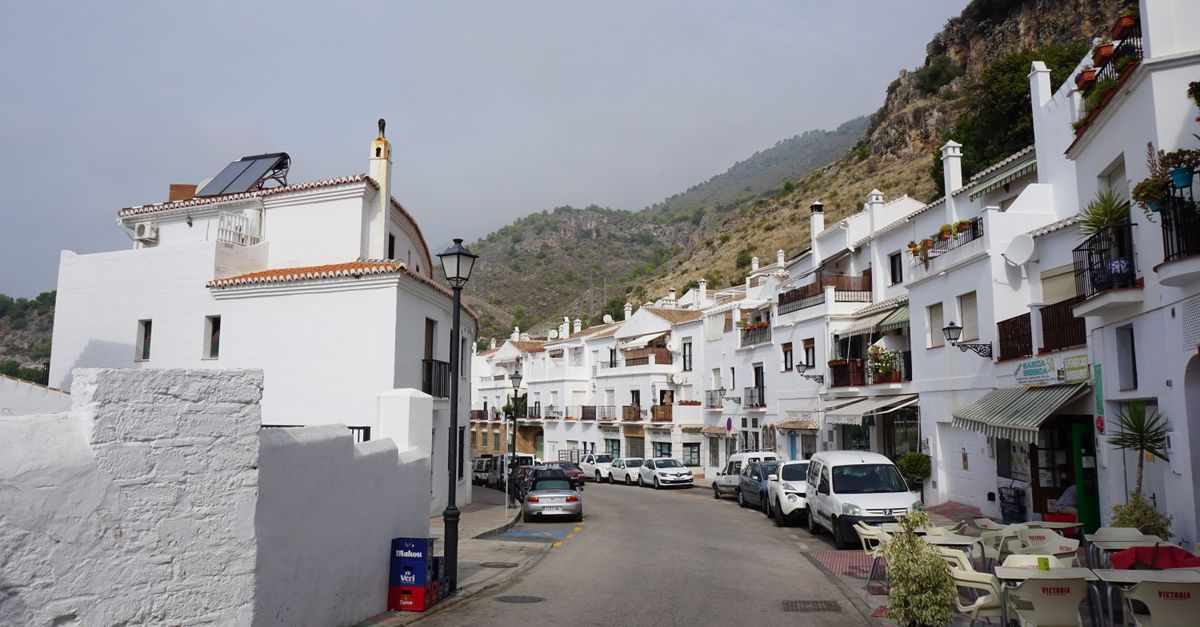
Spain is a great country to drive in once you separate two things: the open road and the city centre. Motorways are generally good, distances are clear and road trips are easy. Historic centres, beach towns in August and big-city parking are the parts that create stress.
If you rent with that in mind, driving in Spain is straightforward.
Basic rules
Spain drives on the right. Seatbelts are mandatory, phone use at the wheel is heavily restricted, and drink-driving limits are lower than many visitors expect. Speed limits vary by road type, so follow signs rather than relying on memory.
Roundabouts are common. Traffic already on the roundabout has priority, and the outside lane is for leaving. Locals do not always make it elegant; drive defensively.
Compare rental cars in Spain →
Tolls and motorways
Spanish roads use different labels. Autopistas and autovías are the main fast roads. Some autopistas are tolled, shown with peaje signs; many autovías are free. Several former toll roads have become free in recent years, but do not assume every fast road is free.
Cards usually work at toll booths, but carry a backup card or some cash. If you are also visiting Portugal or Italy, the toll systems change a lot; our guides to driving in Portugal and toll roads in Italy explain the differences.
Cities: park, then walk
Madrid, Barcelona, Seville, Valencia and Granada are not places where a rental car improves the day. Use metro, bus, taxi or walking. Low-emission zones, limited-traffic streets and expensive garages make city driving more trouble than it is worth.
Where parking is allowed, Spanish cities use a colour-coded bay system: blue bays (zona azul) are paid short-stay parking with a time limit, green bays are for residents only, and white or unmarked bays are usually free — though rules vary by city, so check the nearest ticket machine or sign.
For old towns, book accommodation with parking or leave the car in a public garage outside the centre. Never follow a local car into a restricted street without reading signs.
Where a car is worth it
A rental car shines in Andalusia, Galicia, the Basque coast, Asturias, the Pyrenees, the Canary Islands and Mallorca. It also helps with wine regions, rural hotels and beaches away from main resorts.
For inspiration, see our route through northern Spain if you read Spanish, or the English guide to road trips in Europe.
Rental car tips
Choose a compact unless you really need space. Check the deposit, fuel policy, mileage and whether cross-border travel is allowed if you plan to enter Portugal, France or Andorra. Photograph the car at pickup and return, including wheels, mirrors and fuel level.
Driving in Spain is not difficult. The clever move is timing: rent when leaving the city, return before the urban part of the trip, and let the car do what it does best: connect the places trains do not.
Ready to book your car?
Compare prices, free cancellation and pay at pickup. No surprises.
View rental prices →