How to Get Around Ibiza: Car, Beaches and What the Bus Misses
Getting around Ibiza: why a rental car is essential for the best coves, which beaches need early arrival, high season parking tips and zone-based day planning.

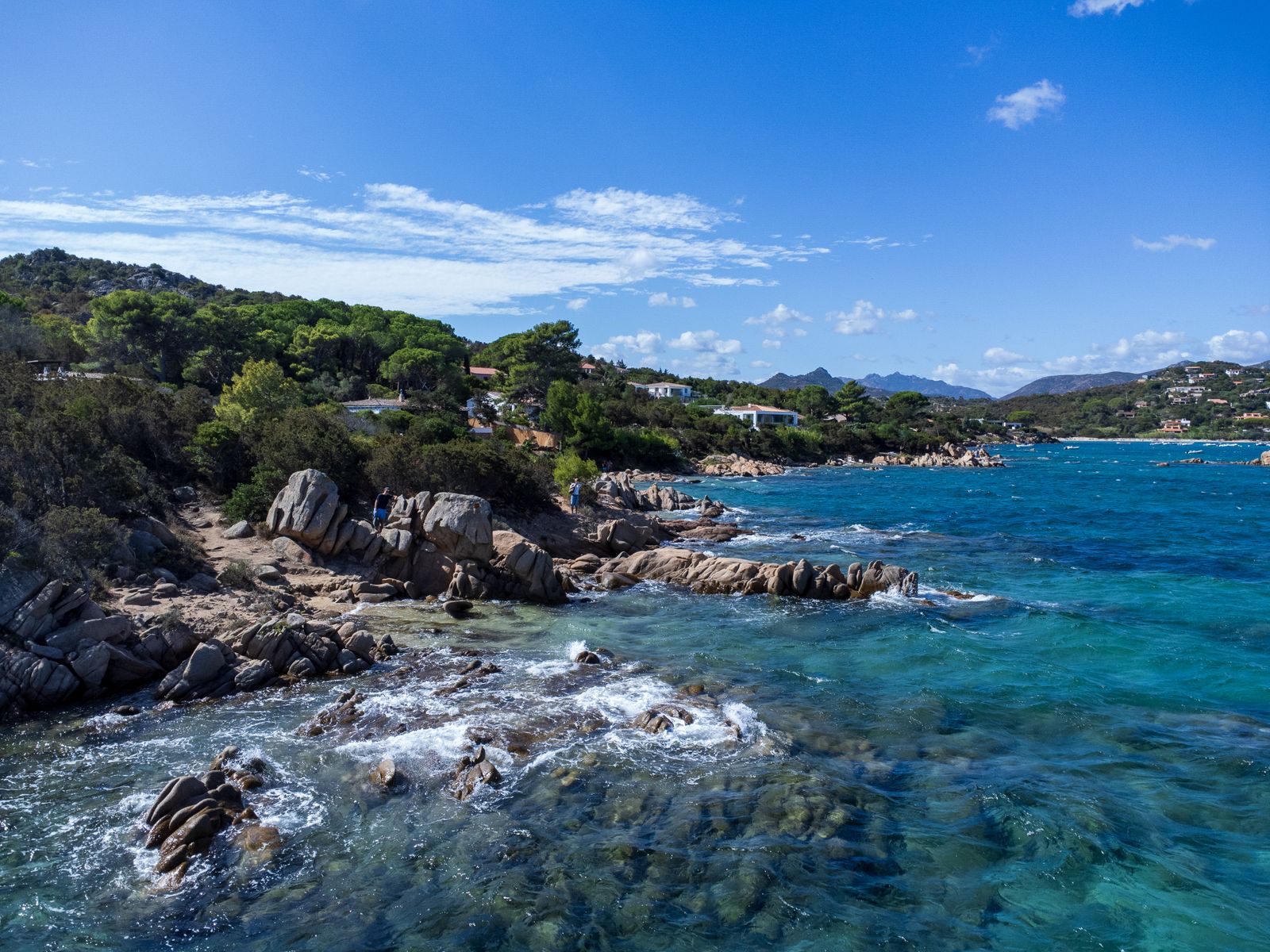
Cala d’Hort — the one with the view of the Es Vedrà rock that appears in every Ibiza photo — sits at the end of a narrow road the bus does not use. Same with Cala Salada, Cala Comte and most of the best spots on the north coast. If you want the island beyond the resort next to your hotel, you need a car.
What the bus covers (and what it does not)
The ibizabus network connects the main towns: Ibiza town, Sant Antoni, Santa Eulària, Sant Josep and Sant Joan, plus the airport. For moving between population centres or arriving from the airport, it works.
The gap appears with beaches. Seasonal “Platges” lines serve some popular coves in summer, with frequencies ranging from every 30 minutes to over an hour depending on the route. Many of the quieter coves — Aigües Blanques on the northeast coast, Cala d’en Serra in the north, smaller spots near the cliffs — have no bus line at all.
The last return service from most beach lines runs in the mid-afternoon. If you want to stay for sunset, which is the whole point of several Ibiza coves, the bus is not an option.
What a car unlocks
Cala d’Hort and Es Vedrà: park on the road above, walk down to the cove and stay for the sunset with the Es Vedrà rock directly in front. This is the most reproduced image of Ibiza. It requires a car.
Cala Comte (Cala Conta): turquoise water with small islets offshore. The sunset here rivals Sant Antoni’s famous strip, with less of the crowd.
Cala Salada and Cala Saladeta: two connected coves north of Sant Antoni. The second is reached on foot from the first and is therefore quieter. A small car parks comfortably at the first.
Aigües Blanques: a long open beach on the east coast, also worth visiting for sunrise. No reliable bus connection.
Dalt Vila: Ibiza’s UNESCO-listed walled old town. The car does not help here — park in the lower town (the port or Vara de Rey) and walk up through the ramparts on foot.
Las Dalias market (Sant Carles): open Saturdays all year, night market in summer. Hippy Market de Es Canar: Wednesdays. Neither is practical by public transport.
High season and traffic
In July and August, traffic on the Ibiza–Sant Antoni road and the access roads to the most popular coves is heavy in the late morning and late afternoon. Ibiza is a small island but summer volumes are significant for its size.
The practical rule: arrive early at the coves. Arriving at Cala Comte at 9 am means space and shade; arriving at 1 pm means circling for parking. The reward for the early start is having the best spots almost to yourself for the first two hours.
The Sant Antoni Sunset Strip (Café del Mar, Mambo) is genuinely worth doing once. After sunset, hundreds of people leave simultaneously. Park well away from the seafront promenade and walk back — trying to leave by car immediately after sunset is a long wait.
Parking tips
Small car is essential in summer. The cove car parks are informal gravel areas that fill quickly, and many village streets were designed for carts, not SUVs. A compact car — Fiat Panda, Seat Ibiza size — manoeuvres where larger vehicles cannot.
- In Ibiza town and Sant Antoni, blue-zone street parking is paid and limited in season. Check whether your accommodation includes parking — it changes the trip significantly.
- Popular coves often set up informal paid parking in summer. Carry some cash.
- Never leave anything visible in the car, especially at isolated beach car parks.
- No motorway tolls on Ibiza.
Compare rental car rates for Ibiza
Zone-based day planning
Ibiza is compact — under 40 km tip to tip — but the cove roads are slow. Grouping nearby spots in one day is more efficient than crossing the island repeatedly.
- Southwest day: Cala d’Hort and Es Vedrà in the morning, lunch in Sant Josep, sunset at Cala Comte
- North day: Sant Joan, Las Dalias market if Saturday, swim at Cala Salada or northern coves
- Old town day: Dalt Vila in the morning before the heat, port walk, Es Canar market if Wednesday
Book the car in advance, particularly in July and August. Fleets sell out and airport counter prices surge at last minute. Picking up at Ibiza Airport is the most convenient option if you are flying in; there are also agencies near the ferry port.
In short
Ibiza by rental car means reaching the coves and markets that define the island’s best experiences. Take a small car, arrive early at popular spots, and plan by zone rather than crossing the island daily. The bus is fine for the airport and town-to-town travel — but the Ibiza worth visiting is largely off its routes.
Ready to book your car?
Compare prices, free cancellation and pay at pickup. No surprises.
View rental prices →